
“Had a good experience at this dental clinic. The staff was friendly and helpful, and the dentist explained the treatment clearly. The clinic was clean and the overall experience was comfortable. Would recommend this clinic for dental care.”
Surgical tooth extraction
Surgical Tooth Extraction in Kondapur, Hyderabad
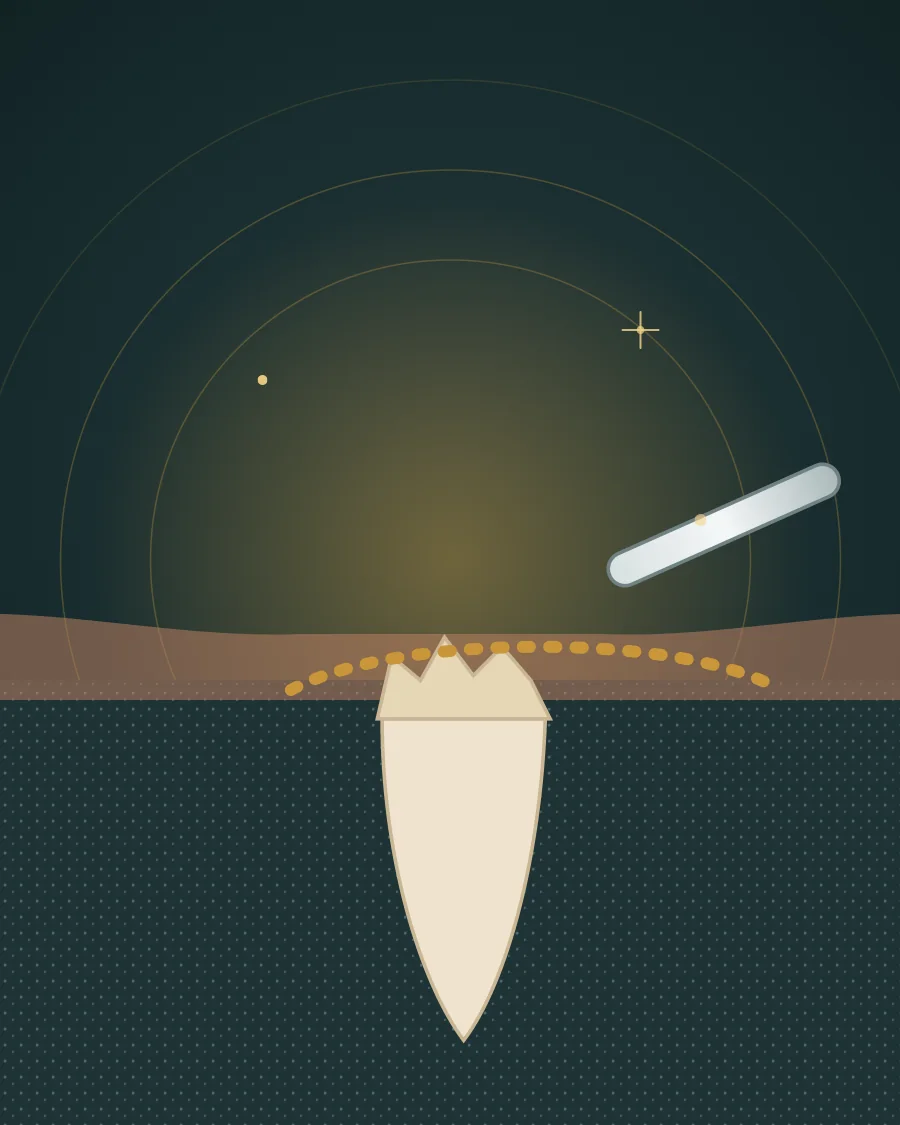
A surgical tooth extraction in Kondapur is used when a tooth cannot simply be pulled out: it may be broken at the gum, buried in the bone, or held by curved roots. The area is numbed, a small opening is made, and the tooth is taken out in a planned way.
Elite Dental Clinic is a dental clinic in Kondapur, Hyderabad. This page is medically reviewed by Dr. Revathi Indukuri, a dentist at the clinic, and surgical extractions are done by the clinic's oral and maxillofacial surgeons. It explains how a surgical extraction in Kondapur differs from a simple one, the risks and what to expect.
- Anaesthesia
- Local, sedation if advised
- Usual time
- 30 to 60 minutes
- Stitches
- Often dissolvable
- Open
- Every day
Open every day from 9:00 am to 9:00 pm. If you have pain or swelling, call or send a WhatsApp message before you come so your visit can be planned.
Medically reviewed by Dr. Revathi Indukuri, BDS, MDS (Conservative Dentistry & Endodontics). Last reviewed . About the reviewer
Quick answer
A surgical extraction is the removal of a tooth that cannot be taken out by simple pulling, by opening the gum and sometimes removing a little bone or cutting the tooth into pieces. At Elite Dental Clinic in Hyderabad, it is planned from an X-ray and done under local anaesthetic.
01 Overview
What is a surgical tooth extraction and when is it needed?
A simple extraction is for a tooth that can be seen above the gum and loosened with instruments, see tooth extraction. A surgical extraction is used when the tooth cannot be gripped or lifted that way. The dentist opens the gum, may remove a little of the bone around the tooth, and may divide the tooth so it comes out in pieces.
Common reasons are a tooth broken off at or below the gum line from decay or injury, a tooth that has not come through the gum or lies sideways (an impacted tooth), teeth with long, curved or widely spread roots, a root fragment left from an earlier extraction, and a tooth fused to the bone.
Wisdom teeth are the most common impacted teeth, and they have their own page, see wisdom tooth removal. A tooth is only removed when it cannot be saved, for example with a root canal and a crown, or when it is causing infection, pain or damage to nearby teeth.1
The procedure is done under local anaesthetic, so the area is numb, and the dentist may suggest sedation for an anxious patient. You will feel pressure and movement but should not feel sharp pain.
In short, a surgical extraction is the planned removal of a tooth that cannot be pulled out in one piece.
For a tooth that is hard to lift out, tooth sectioning divides it into pieces so each can be removed gently, and a more complex case may involve an oral surgeon.
02 Candidacy
When is a surgical extraction advised in Kondapur?
The dentist decides from the examination and an X-ray. The two lists below describe the general pattern.
Situations that often need a surgical extraction
- A tooth snapped at the gum, leaving only the roots
- A tooth buried in the bone or lying at an angle
- Roots that are long, curved or hooked and hold the tooth tightly
- A broken root tip or fragment left in the jaw
Needs caution or extra planning
- Blood-thinning medicines, which the dentist may adjust with your doctor
- Heart conditions or a replaced heart valve, which may need antibiotic cover
- Radiotherapy to the jaw or bone-strengthening drugs, which affect healing2
- Poorly controlled diabetes or an active infection with spreading swelling
A tooth that cannot be gripped needs a surgical plan, and your medical history shapes how it is done.
03 Options
What are the options before and after a surgical extraction in Kondapur?
A surgical extraction is one route. The dentist tells you the alternatives and what to do about the gap afterwards.
Surgical extraction with sectioning of the tooth
When a tooth is held by curved roots or lies in the bone, it is cut into sections so each piece can be lifted out with less bone removed. This is a common technique and keeps the opening small.
30 to 60 minutes
Bone removal to reach an impacted tooth
If bone covers the tooth, the dentist removes a little to reach it. The gum is closed with stitches, and these are often dissolvable.
30 to 60 minutes
Saving the tooth instead of removing it
If enough tooth is left, a root canal and a crown may keep it. The dentist tells you whether this is realistic before extraction is chosen.
Alternative
After removal, the gap can be filled with a single tooth implant, a bridge or a denture, and leaving it empty is another choice with its own effects on nearby teeth.
| Compared on | Simple extraction | Surgical extraction |
|---|---|---|
| Tooth | Visible, can be gripped | Broken, buried or held by curved roots |
| Gum | Not opened | Opened, then stitched |
| Bone removed | No | Sometimes, a little |
| Recovery | Usually a few days | Often a few days to a week |
A surgical extraction is for teeth that cannot be pulled, and saving the tooth is considered first.
04 Procedure
How is a surgical tooth extraction done, step by step?
The steps are planned beforehand from your X-ray. The time varies with the tooth, and the steps below are what usually happens.
The tooth is numbed, freed, removed and the gum closed, and you leave with aftercare instructions.
Examination and X-ray of the broken tooth or impacted tooth
The dentist examines the area, takes an X-ray or scan to see the roots, the bone and nearby structures such as nerves or the sinus, and explains the plan. You are asked about medicines and health conditions.
Numbing the area and sedation if advised
Local anaesthetic numbs the tooth, gum and bone. Sedation can be arranged for patients who are anxious. You are checked to be sure the area is numb before starting.
Opening the gum and removing bone if needed
A small flap of gum is lifted to see the tooth. A little bone may be removed. You will feel pressure and may hear sounds but should not feel pain.
Sectioning the tooth and lifting out the root fragments
The tooth may be divided into pieces so it comes out without force. Any root fragment is removed and the socket is cleaned of debris.
Closing the gum with dissolvable stitches
The gum is placed back and closed with stitches, usually dissolvable ones. Gauze is placed over the area, and you bite on it to help a clot form.
Instructions and follow-up
You are given aftercare instructions and any medicines. A review is arranged if stitches need to be checked or removed.
05 Cost
What decides the cost of a surgical tooth extraction in Kondapur, Hyderabad?
Treatment is planned for one person, not sold as a product, so the cost follows your evaluation.
Teeth differ in position and difficulty, so Elite Dental Clinic does not quote a cost before an examination. You receive a written plan that lists each stage before any treatment starts.
What the evaluation looks at
- How deep and how difficult the tooth is, from the X-ray
- Whether bone has to be removed or the tooth sectioned
- How many teeth are removed in the visit
- Whether sedation is used
What you decide with the dentist
- Imaging such as a 3D scan if needed
- Whether the socket is filled with a graft to keep the bone
- Review visits and any treatment of infection first
Your medical history matters too, including blood-thinning medicines and any conditions that affect healing.
The cost follows the plan, and the plan follows the evaluation.
06 Aftercare
What is it like to recover from a surgical extraction?
A blood clot forms in the socket and protects it while the bone and gum heal. The steps below help the clot stay.
The first 24 hours
Bite firmly on the gauze for the time the dentist says. Do not rinse, spit hard, use a straw or touch the area. Rest with your head raised, and use a cold pack on the cheek in short spells.
Pain, swelling and medicines
Soreness and swelling are common and often peak on the second day. Take only the medicines prescribed. Swelling should start to settle after about three days.
Eating, cleaning and stitches
Eat soft, cool food and chew on the other side. From the next day rinse gently with warm salt water after meals, and brush other teeth as usual. Dissolvable stitches go by themselves.
Smoking and alcohol
Do not smoke or drink alcohol for the time advised, because smoking raises the risk of dry socket and slows healing.1
When to call us
Call the clinic the same day if bleeding does not stop with firm pressure, if pain gets worse after the third day (which can be a dry socket), if you have a fever, a bad taste or pus, or numbness that lasts beyond a day. If swelling spreads to the face or neck, or you have trouble breathing or swallowing, go to the nearest hospital emergency department.
Protect the clot, rest and keep the area clean, and call early if pain returns.
07 Limits
When is a surgical extraction not the right choice?
The dentist may delay or change the plan in these situations:
- The tooth can be saved with a root canal and a crown.
- There is an uncontrolled infection that needs treating first.
- A medical condition or medicine makes extraction risky until your doctor is consulted.
- The tooth lies very close to a nerve or the sinus, where a surgeon's opinion and a scan are needed.
- Radiotherapy or bone-strengthening drugs affect the jaw, where healing is a concern.2
For the other common surgical case, see wisdom tooth removal. For gum problems around a tooth, see gum disease treatment.
Risks and complications
The risks include pain and swelling, bleeding, infection, dry socket, damage to nearby teeth or fillings, a broken root tip left in the bone, a small opening into the sinus for upper back teeth, and, rarely, injury to a nerve that causes numbness of the lip, chin or tongue.1
Dry socket happens when the clot is lost and the bone is exposed. It causes severe pain after a few days, and the dentist can treat it. Smoking and poor cleaning raise the risk.1
Nerve injury is more common with deeply buried lower back teeth and is usually temporary, but it can sometimes last longer. Your dentist explains your own risk from the X-ray.1 Healing is individual, and no one can promise a problem-free recovery.
The risks are real and usually manageable, and good aftercare lowers them.
08 Your visit
What happens at your first surgical extraction appointment in Kondapur?
At the first visit the dentist examines the tooth, reviews X-rays or takes new ones, and explains why a surgical extraction is advised, what the steps are and what the risks are. Often the tooth can be removed the same day or at a booked visit. You receive a written plan that lists each stage before any treatment starts.
Bring any earlier X-rays and a list of your medicines. Tell the dentist about blood thinners, heart conditions, diabetes, allergies and any treatment of the jaw. Eat a light meal before the visit unless you are told otherwise for sedation.
The team speaks English, Telugu and Hindi. You may bring someone with you, especially if you have sedation. You are under no obligation to go ahead with treatment.
The first visit ends with a plan and an explanation, not a commitment.
09 Why this clinic
Why choose Elite Dental Clinic for a surgical tooth extraction in Kondapur?

Medical reviewer of this page
Dr. Revathi Indukuri
BDS, MDS (Conservative Dentistry & Endodontics)
BDS, Sree Sai Dental College Research Institute, 2009
MDS, Dr. NTR University of Health Sciences, Andhra Pradesh, 2016
A tooth that has snapped at the gum, a tooth lying sideways in the bone or one with long curved roots cannot be simply pulled. That does not mean it is a bigger problem for you. It means we plan it with an X-ray, numb it well, take our time and explain what to expect before we start.
Dr. Revathi Indukuri
Dr. Revathi Indukuri reviewed this page as a dentist at the clinic. Her MDS in conservative dentistry and endodontics covers saving teeth, which is considered before any tooth is removed. The clinic's team board lists oral and maxillofacial surgeons, who carry out surgical extractions.
Surgeons on the team
The team board lists oral and maxillofacial surgeons, so difficult extractions are done by those trained for them.
Saving the tooth is considered first
If a tooth can be saved, the dentist tells you so before extraction.
A written plan before treatment
You receive a written plan before any treatment starts, so you know what is being done.
A plan for the gap
The options for replacing the tooth, such as an implant or a bridge, are explained before you leave.
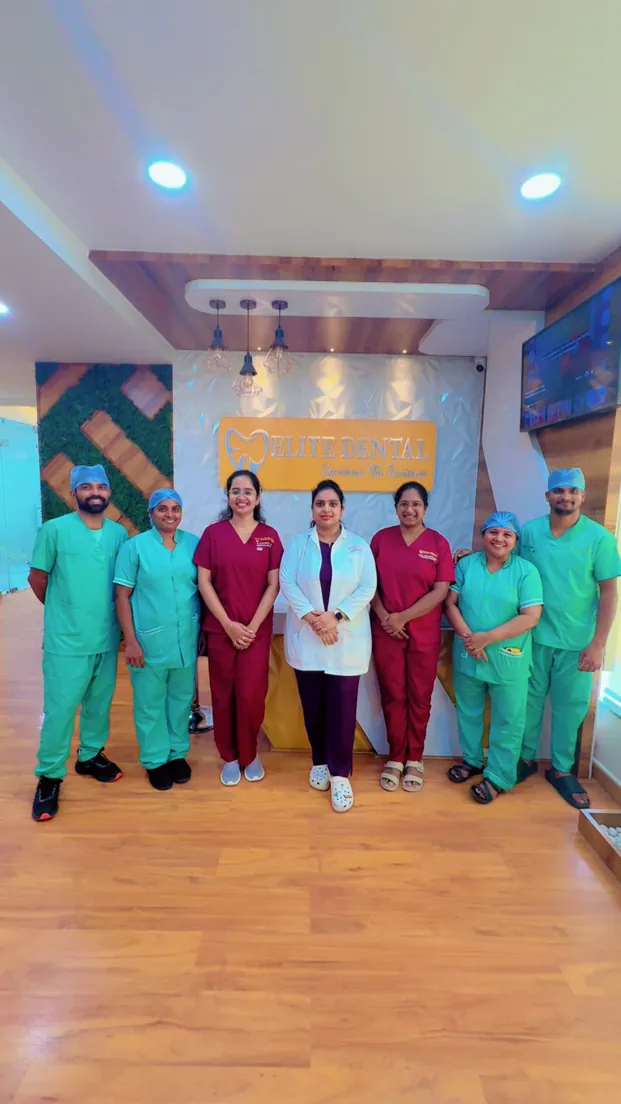
Surgeons, saving the tooth first and a written plan are what this clinic stands behind.
10 Reviews
Patient reviews of Elite Dental Clinic in Kondapur
Recent patient reviews of Elite Dental Clinic
“Very excellent service provided and dr Revathi mam was very kind and done too professional service..towards patient.. I am very happy that I got to know about elite dental clinic”
“Very good treatment and I had an excellent experience at this dental hospital.”
11 Visit us
Dentist in Kondapur, Hyderabad: location, hours and access
Elite Dental Clinic
2nd floor, Artham's Arcade, above Vijaya Diagnostics
Kondapur, Raghavendra Colony, Gachibowli
Hyderabad, Telangana 500084
070320 78789
Kondapur, Raghavendra Colony, Gachibowli
Hyderabad, Telangana 500084
070320 78789
| Monday to Sunday | 9:00 am to 9:00 pm |
|---|
The clinic is on the second floor of Artham's Arcade, above Vijaya Diagnostics, in Raghavendra Colony.
Patients looking for broken tooth removal in Kondapur will find the clinic above Vijaya Diagnostics in Artham's Arcade, Raghavendra Colony. A surgical extraction in Kondapur starts with an X-ray and a clear plan. Languages spoken: English, Telugu and Hindi. More about the clinic: dentist in Kondapur.
The clinic is on the second floor above Vijaya Diagnostics and is open every day from 9:00 am to 9:00 pm.
12 Travelling patients
Surgical tooth extraction in Hyderabad for patients from other cities and countries
If a tooth breaks while you are visiting or have moved to Hyderabad, connect with the clinic on WhatsApp or by phone, and the team will help find a time. Send a photo and any X-ray you have, so the team can tell you how urgent it is.
Healing takes several days, and stitches may need a review, so plan to stay in or near Hyderabad for a few days. Ask the team how long to wait before you travel by air, and what to do if bleeding or pain starts on the journey.
Ask for your records, X-rays and a written summary before you leave. The clinic is open every day from 9:00 am to 9:00 pm, and the team speaks English, Hindi and Telugu.
Plan the visits before you travel, and take your records home.
13 Questions
Surgical tooth extraction questions from patients in Kondapur
What is the difference between a simple and a surgical extraction?
A simple extraction removes a tooth that is visible above the gum by loosening and lifting it. A surgical extraction is used when the tooth is broken, buried or held by curved roots, and involves opening the gum, sometimes removing bone or cutting the tooth into pieces, and stitches.
Is a surgical extraction painful?
The area is numbed with a local anaesthetic, so you should feel pressure and movement but not sharp pain. Sedation can be arranged for anxious patients. Soreness and swelling afterwards are common and are managed with the medicines the dentist prescribes.
How long does a surgical extraction take?
Often between 30 minutes and an hour for one tooth, though it depends on how deep and difficult the tooth is. Your appointment may be longer to allow for numbing and aftercare instructions.
How long is recovery?
Most people feel better within a few days, with swelling settling after about three days. A full return to normal eating and cleaning in the area may take a week or two. Smoking and poor cleaning slow healing.
What is dry socket?
It happens when the blood clot is lost from the socket, exposing the bone. It causes severe pain that starts a few days after the extraction and may spread to the ear. The dentist can treat it, and smoking and poor cleaning raise the risk.
Will I need stitches?
Usually yes, since the gum is opened. They are often dissolvable and go by themselves in one to two weeks. If they are not dissolvable, a short visit is booked to remove them.
How is the cost of a surgical extraction decided?
The cost is given after the examination and X-ray. The depth and difficulty of the tooth, whether bone has to be removed, the number of teeth, any sedation and the review visits all change the plan. You receive a written plan before treatment starts.
What can I replace the tooth with?
Options include a single tooth implant, a bridge or a denture, or leaving the gap. The dentist explains each one, and when it can be placed. Sometimes a graft is placed in the socket at the time of extraction to keep the bone.
14 Second opinion
Has a tooth broken or become too painful to keep?
Do not wait if a tooth has broken or if swelling is growing. Call or send a WhatsApp message to book a visit, and the dentist will examine the tooth, take an X-ray and tell you your options. You are under no obligation to go ahead with treatment.
15 Related
Treatments often considered alongside a surgical extraction
Tooth extraction
The guide to simple extractions, for teeth that can be pulled.
Wisdom tooth removal
The most common impacted tooth.
Single tooth implant
A fixed way to replace the removed tooth.
Sources
- Wisdom tooth removal: complications (dry socket and nerve injury), NHS
- Wisdom teeth (when removal is advised), American Dental Association, MouthHealthy
- Wisdom tooth removal (how extraction is done), NHS
This page is general information, not a diagnosis or a substitute for an examination, and results vary between patients.