
“Had a good experience at this dental clinic. The staff was friendly and helpful, and the dentist explained the treatment clearly. The clinic was clean and the overall experience was comfortable. Would recommend this clinic for dental care.”
Gingivitis treatment
Gingivitis Treatment in Kondapur, Hyderabad
Gingivitis treatment in Kondapur deals with the first stage of gum disease: red, swollen gums that bleed when you brush. It is caused by plaque, and unlike later stages it can be fully reversed by professional cleaning and better care at home.
Elite Dental Clinic is a dental clinic in Kondapur, Hyderabad. This page is medically reviewed by Dr. Revathi Indukuri, a dentist at the clinic. It explains how gum inflammation treatment in Kondapur works, how to tell gingivitis from worse gum disease, the risks of leaving it and what to do at home.
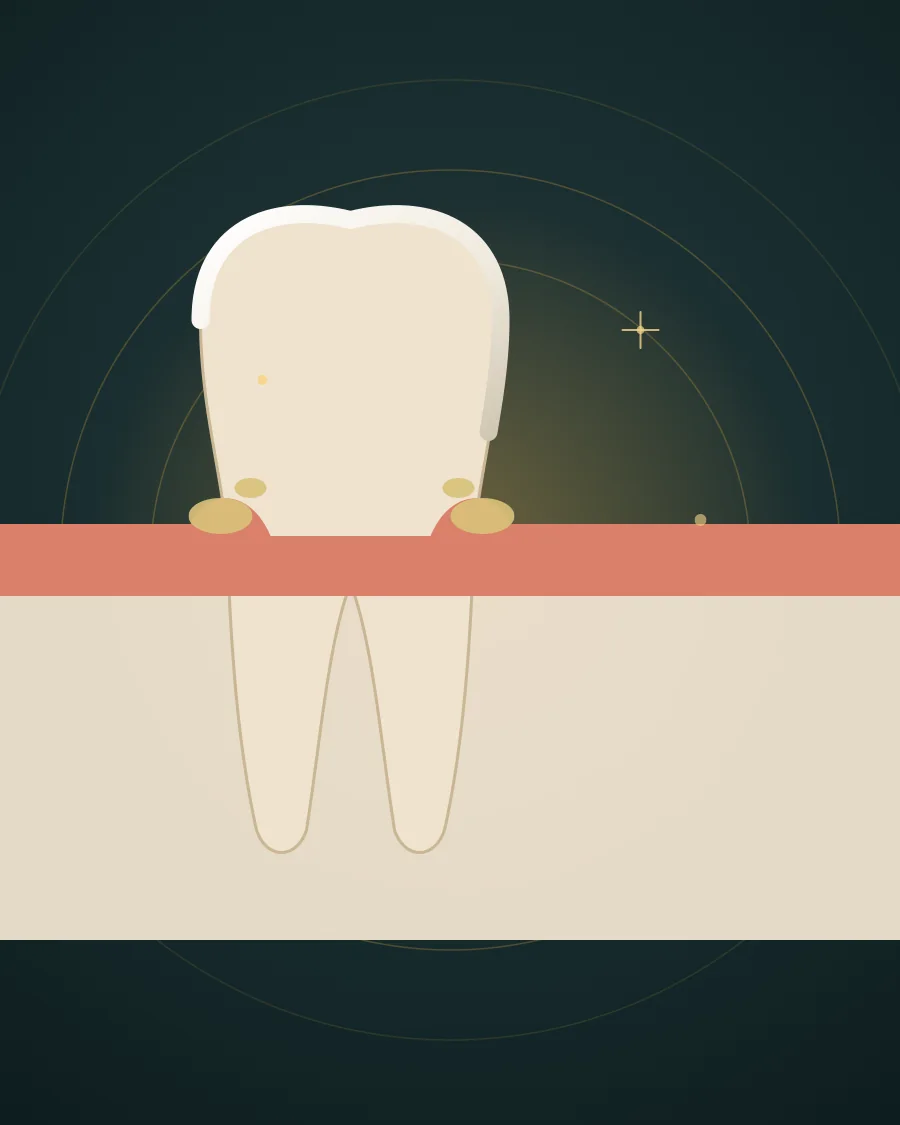
- Reversible
- Yes, if treated early
- Treatment
- Cleaning and home care
- Review
- After a few weeks
- Open
- Every day
Open every day from 9:00 am to 9:00 pm. If you have pain or swelling, call or send a WhatsApp message before you come so your visit can be planned.
Medically reviewed by Dr. Revathi Indukuri, BDS, MDS (Conservative Dentistry & Endodontics). Last reviewed . About the reviewer
Quick answer
Gingivitis is inflammation of the gums caused by plaque on the teeth, and it is treated by removing the plaque and tartar and teaching you to keep it off. At Elite Dental Clinic in Hyderabad, a professional cleaning is followed by a review after a few weeks to confirm the gums have settled.
01 Overview
What is gingivitis and how is it different from periodontitis?
Gingivitis is the mildest form of gum disease. Plaque, a sticky film of bacteria, collects at the gum line, and the gums react by becoming red, puffy and tender, and bleeding easily when you brush or floss. There is usually no pain, which is why it is often ignored.
The key point is that gingivitis affects only the gum. The bone and fibres holding the tooth are not yet damaged, so when the plaque is removed the gums return to normal. If it is left, it can progress to periodontitis, where the infection reaches below the gum line and destroys bone, see periodontal treatment.
Signs of gingivitis include bleeding gums, swelling, redness, bad breath and a bad taste, see bleeding gums treatment and bad breath. Factors that make it worse include poor cleaning, smoking, diabetes, pregnancy, some medicines and braces.1
A general introduction to all stages is on the gum disease treatment page. This page is about the early stage and how to turn it around.
In short, gingivitis is the reversible stage of gum disease, and removing plaque is the treatment.
Gum bleeding is the most common sign, and it usually follows dental plaque left on the teeth at the gum line.
02 Candidacy
Do I have gingivitis, and who is at higher risk in Kondapur?
A dentist examines your gums and measures them to tell gingivitis from periodontitis. The two lists below describe the general pattern.
Signs of gingivitis
- Gums that bleed when you brush or floss
- Red, puffy or shiny gums, with a dark red edge
- Tender gums and persistent bad breath
- Visible plaque or tartar along the gum line
Higher risk or needs a closer look
- Bleeding that continues after a few weeks of good cleaning, which may mean periodontitis
- Loose teeth, receding gums or deep gaps, which need a gum examination
- Diabetes, pregnancy or smoking, which affect the gums1
- Braces or crowded teeth, where plaque is hard to remove
Bleeding gums that settle with good cleaning are gingivitis, and those that do not need a closer look.
03 Options
What treatment will I need for gingivitis in Kondapur?
Treatment is simple and mostly about plaque control. The dentist chooses the steps by how much plaque and tartar you have.
Professional scale and polish to remove plaque and tartar
The dentist or hygienist removes the plaque and hardened tartar from the teeth, above and just below the gum line, and polishes them. See teeth cleaning. A Cochrane review of routine scale and polish covers its place in gum health.2
One visit
Better home care with interdental cleaning
Brushing twice a day with fluoride toothpaste, and cleaning between the teeth daily, is the main treatment. A Cochrane review found that floss, and especially interdental brushes, may reduce gingivitis in the short term, though the evidence is of low certainty.3
Every day
Powered toothbrush or antiseptic rinse as an addition
A powered toothbrush reduced gingivitis by about 6 percent at one to three months and 11 percent after three months compared with a manual brush, in moderate-quality evidence.4 A short course of an antiseptic mouthwash may be advised in some cases.
As advised
If the gums do not settle, see periodontal treatment. A laser is sometimes used on gums, see laser gum treatment.
| Compared on | Gingivitis | Periodontitis |
|---|---|---|
| What is affected | The gum only | Gum, fibres and bone |
| Reversible | Yes | Controlled, not reversed |
| Treatment | Cleaning and home care | Deep cleaning, sometimes surgery |
| Teeth | Firm | Can loosen |
Gingivitis needs cleaning and daily home care, and periodontitis needs more.
04 Procedure
How is gingivitis treated, step by step?
Treatment is usually done over one or two visits with a review. The steps below are what usually happens.
Cleaning, teaching and a review turn most gingivitis around in a few weeks.
Gum examination to confirm gingivitis, not periodontitis
The dentist looks at your gums, measures the depth of the spaces around each tooth with a thin probe, checks for bleeding and takes X-rays if needed. Shallow measurements with no bone loss mean gingivitis.
Removing plaque and tartar from the teeth
Tartar is removed with hand tools or an ultrasonic scaler, and the teeth are polished. This can feel uncomfortable on sore gums, and numbing gel can be used.
Showing you how to clean at home
You are shown how to brush at the gum line and to clean between the teeth with interdental brushes or floss. Plaque-disclosing tablets can show what you missed.
Treating the contributing factors
Smoking, diabetes, medicines, crowded teeth and old fillings with rough edges can all hold plaque. The dentist addresses what can be changed and may suggest fluoride, see fluoride treatment.
Review of the gums after a few weeks
The gums are checked again after two to four weeks. Bleeding should have stopped and the gums look pink and firm. If they have not settled, the dentist looks for deeper gum disease.
Regular cleaning visits to keep gingivitis away
A check-up and cleaning every six months, or as often as the dentist advises, keeps plaque from building up again.
05 Cost
What decides the cost of gingivitis treatment in Kondapur, Hyderabad?
Treatment is planned for one person, not sold as a product, so the cost follows your evaluation.
Gum health differs between people, so Elite Dental Clinic does not quote a cost before an examination. You receive a written plan that lists each stage before any treatment starts.
What the evaluation looks at
- How much plaque and tartar has built up
- Whether one or two cleaning visits are needed
- Whether X-rays are needed
- The number of reviews
What you decide with the dentist
- Whether the gums prove to need deeper treatment
- Fluoride or antiseptic products advised
- Treatment of cavities or rough fillings that hold plaque
Your own habits matter too, because home care decides how long the result lasts.
The cost follows the plan, and the plan follows the evaluation.
06 Aftercare
What should I do at home to reverse gingivitis?
Home care is the larger part of the treatment. The steps below turn red gums healthy again.
The first few days
The gums may feel tender and bleed a little for a day or two after cleaning. Keep brushing gently, even where they bleed, because the bleeding comes from the inflammation and stops as the gums heal.
Brushing well
Brush twice a day for two minutes with a soft brush and fluoride toothpaste, angling the bristles at the gum line. A powered toothbrush can help.4 Replace the brush every three months.
Cleaning between the teeth
Clean between the teeth every day with interdental brushes in the size the dentist shows you, or floss.3 This reaches the places a brush cannot, where gingivitis starts.
Habits that help
Stop smoking, keep diabetes controlled, cut down on sugary snacks and keep your cleaning visits. Rinse with water after meals if you cannot brush.
When to call us
Call the clinic if the gums are still bleeding after two to three weeks of careful cleaning, if a tooth feels loose, or if you have a gum swelling with pus. If swelling spreads to the face or neck, or you have trouble breathing or swallowing, go to the nearest hospital emergency department.
Brush gently, clean between the teeth daily and keep your visits, and the gums settle.
07 Limits
What are the limits of gingivitis treatment?
Gingivitis treatment works only when the plaque is controlled, and it has limits.
- Gums that still bleed after good cleaning may have periodontitis and need deeper treatment.
- Treatment does not make up for poor daily cleaning, and the gums return to their old state if plaque builds up again.
- Bone that has already been lost is not restored by treating gingivitis.
- Some medicines, pregnancy and diabetes can make gums react more, so care is needed even with good cleaning.
- Antiseptic rinses give short-term help only and do not replace cleaning.
If the gums are swollen, see swollen gums. For more advanced gum disease, see periodontal treatment.
Risks and complications
The risks of treatment are small: soreness and slight bleeding for a day or two, sensitivity of the teeth as the gums shrink back and tartar is removed, and, rarely, an allergic reaction to a product used.
The greater risk is leaving gingivitis untreated, because it can progress to periodontitis, which damages bone and can lead to loose teeth.1
The evidence that interdental cleaning reduces gingivitis is of low certainty, and effects may be small, so the strongest results come from several steps together.3 No one can promise that gingivitis will never return.
Treatment is low risk, and the main danger is leaving gingivitis alone.
08 Your visit
What happens at your first gingivitis appointment in Kondapur?
At the first visit the dentist looks at your gums, measures the spaces around the teeth and checks for tartar and bleeding. You are told whether you have gingivitis or something deeper, and what the plan is. Often the first cleaning is done in the same visit. You receive a written plan that lists each stage before any treatment starts.
Tell the dentist about smoking, diabetes, pregnancy, medicines and how you clean your teeth now. Bring your toothbrush if you like and ask to be shown how to use it.
The team speaks English, Telugu and Hindi. You are under no obligation to go ahead with treatment.
The first visit often includes a cleaning and ends with a plan for home.
09 Why this clinic
Why choose Elite Dental Clinic for gingivitis treatment in Kondapur?

Medical reviewer of this page
Dr. Revathi Indukuri
BDS, MDS (Conservative Dentistry & Endodontics)
BDS, Sree Sai Dental College Research Institute, 2009
MDS, Dr. NTR University of Health Sciences, Andhra Pradesh, 2016
Gingivitis is the one stage of gum disease that can be fully reversed, and the way to reverse it is not mysterious. The plaque has to come off the teeth, by us in the chair and by you every day. Most people see the gums settle within a couple of weeks once the cleaning is right.
Dr. Revathi Indukuri
Dr. Revathi Indukuri reviewed this page as a dentist at the clinic. Her MDS in conservative dentistry and endodontics is the speciality concerned with keeping teeth healthy for life. The clinic's team board lists a periodontist, who can take over if gingivitis has turned into deeper gum disease.
A periodontist behind the dentists
The team board lists a periodontist, so if the gums do not settle, deeper treatment is available in the same clinic.
You are shown how to clean
The dentist shows you how to brush and clean between your teeth, because home care is most of the treatment.
A written plan before treatment
You receive a written plan before any treatment starts, so you know what is being done.
A review to confirm the result
The gums are checked after a few weeks, so you know they have settled and not just stopped bleeding.
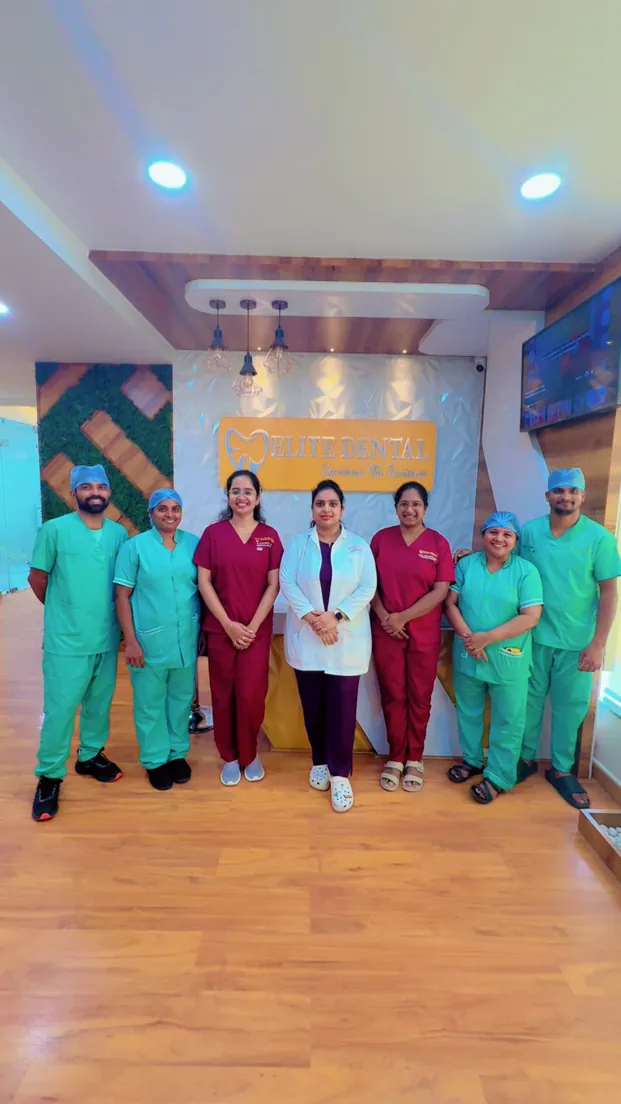
A periodontist behind the dentists, teaching you home care and a review are what this clinic stands behind.
10 Reviews
Patient reviews of Elite Dental Clinic in Kondapur
Recent patient reviews of Elite Dental Clinic
“Very excellent service provided and dr Revathi mam was very kind and done too professional service..towards patient.. I am very happy that I got to know about elite dental clinic”
“Very good treatment and I had an excellent experience at this dental hospital.”
11 Visit us
Dentist in Kondapur, Hyderabad: location, hours and access
Elite Dental Clinic
2nd floor, Artham's Arcade, above Vijaya Diagnostics
Kondapur, Raghavendra Colony, Gachibowli
Hyderabad, Telangana 500084
070320 78789
Kondapur, Raghavendra Colony, Gachibowli
Hyderabad, Telangana 500084
070320 78789
| Monday to Sunday | 9:00 am to 9:00 pm |
|---|
The clinic is on the second floor of Artham's Arcade, above Vijaya Diagnostics, in Raghavendra Colony.
Patients looking for gum inflammation treatment in Kondapur will find the clinic above Vijaya Diagnostics in Artham's Arcade, Raghavendra Colony. Languages spoken: English, Telugu and Hindi. More about the clinic: dentist in Kondapur.
The clinic is on the second floor above Vijaya Diagnostics and is open every day from 9:00 am to 9:00 pm.
12 Travelling patients
Gingivitis treatment in Hyderabad for patients from other cities and countries
If your gums are bleeding while you are visiting or have moved to Hyderabad, connect with the clinic on WhatsApp or by phone, and the team will help find a time. A cleaning and home care advice can be done in one visit.
Ask the team for a clear home care plan and how long to give the gums before you see a dentist at home for the review. Bring any earlier X-rays or gum records if you have them.
Ask for your records, X-rays and a written summary before you leave. The clinic is open every day from 9:00 am to 9:00 pm, and the team speaks English, Hindi and Telugu.
Plan the visits before you travel, and take your records home.
13 Questions
Gingivitis questions from patients in Kondapur
What is gingivitis?
It is inflammation of the gums caused by plaque on the teeth. The gums become red, swollen and bleed easily, usually without pain. It is the mildest stage of gum disease, and it can be reversed by removing the plaque and keeping it off.
Can gingivitis be reversed?
Yes. Because only the gum is affected and the bone is intact, the gums return to normal when plaque is removed and kept away. Most people see the gums settle within a few weeks of good cleaning. If it does not settle, the dentist checks for deeper gum disease.
Why do my gums bleed when I brush?
Bleeding usually comes from gum inflammation due to plaque. It is a sign that gentle, thorough cleaning is needed, not that you should stop brushing. If bleeding continues after a few weeks of careful cleaning, see a dentist.
How long does gingivitis take to clear?
Often two to four weeks after a professional cleaning and good home care. The dentist reviews your gums to confirm. Smoking, diabetes, medicines and crowded teeth can slow the recovery.
What is the difference between gingivitis and periodontitis?
Gingivitis affects only the gum and can be reversed. Periodontitis is when the infection reaches below the gum line and damages the bone and fibres that hold the teeth. It can be controlled but not reversed, and needs deeper treatment.
Is a powered toothbrush better?
A Cochrane review found that powered toothbrushes reduced gingivitis by about 6 percent after one to three months and 11 percent after three months, compared with manual ones, in evidence of moderate quality. Good technique matters with either.
How is the cost of gingivitis treatment decided?
The cost is given after the examination. The amount of tartar, the number of visits, any X-rays and any treatment of other causes all change the plan. You receive a written plan before treatment starts.
Does floss or an interdental brush work better?
A Cochrane review found that both may reduce gingivitis and that interdental brushes may do better in the short term, though the evidence is of low certainty. Choose the one you will use daily, in the right size, as shown by your dentist.
14 Second opinion
Are your gums red, puffy or bleeding?
Book a check-up and the dentist will examine your gums, tell you whether it is gingivitis, and show you what to do. Call or send a WhatsApp message to book. The visit is the first step, and you are under no obligation to go ahead with treatment.
15 Related
Treatments often considered alongside gingivitis treatment
Bleeding gums treatment
Why gums bleed and what to do about it.
Periodontal treatment
The treatment for gum disease that has reached the bone.
Teeth cleaning
The professional cleaning that starts gingivitis treatment.
Sources
- Gum disease, NHS
- Routine scale and polish for periodontal health in adults (Cochrane review), Cochrane Database of Systematic Reviews, 2018
- Mechanical interdental cleaning for preventing and controlling periodontal diseases and dental caries (Cochrane review), Cochrane Database of Systematic Reviews, 2019
- Manual versus powered toothbrushing for oral health (Cochrane review), Cochrane Database of Systematic Reviews
This page is general information, not a diagnosis or a substitute for an examination, and results vary between patients.