
“Extraordinary treatment done by Dr.Revathi mam in very less time highly recommend”
Tooth extraction
Tooth Extraction in Kondapur, Hyderabad
Most teeth can be saved, but some cannot. A tooth that is broken below the gum, loosened by gum disease, or decayed so deeply that no filling or root canal can hold it may have to come out, so that the infection and the pain end.
Elite Dental Clinic is a dental clinic in Kondapur, Hyderabad. This page is medically reviewed by Dr. Revathi Indukuri, a dentist at the clinic, and teeth are removed by the clinic's dentists, including its oral and maxillofacial surgeons. It explains how tooth extraction in Kondapur works, how recovery goes, the risks and how to replace the tooth.
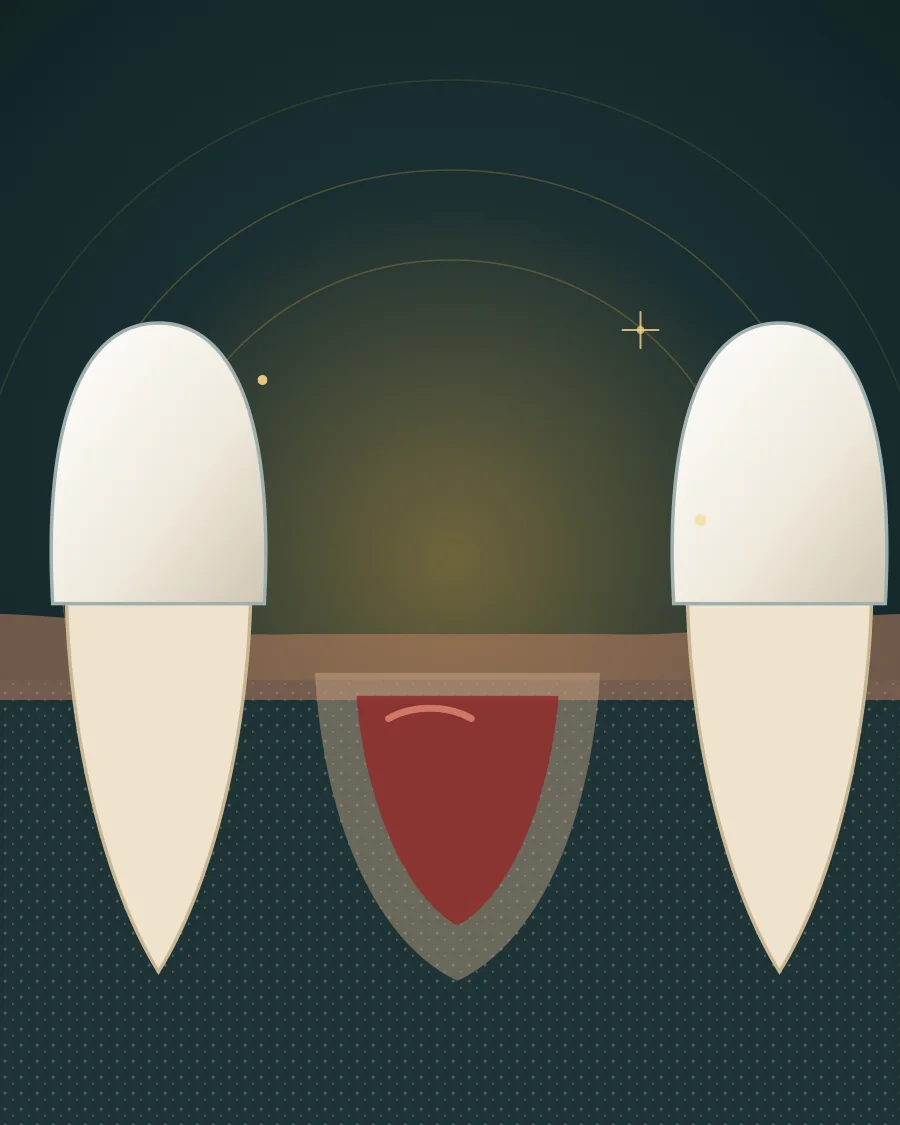
- Simple extraction
- A few minutes
- Anaesthesia
- Local, sedation if needed
- Back to routine
- Often next day
- Replacement
- Planned first
Open every day from 9:00 am to 9:00 pm. If you have pain or swelling, call or send a WhatsApp message before you come so your visit can be planned.
Medically reviewed by Dr. Revathi Indukuri, BDS, MDS (Conservative Dentistry & Endodontics). Last reviewed . About the reviewer
Quick answer
A tooth extraction removes a tooth that cannot be saved because of deep decay, infection, gum disease or a break. At Elite Dental Clinic in Hyderabad, it is planned after an examination and an X-ray, usually under local anaesthetic, with a plan for replacing the tooth.
01 Overview
What is a tooth extraction and when is it needed?
A tooth extraction removes a tooth from its socket in the jaw. Teeth are taken out when the damage is too great to repair, for example deep decay, an infection, gum disease that has loosened the tooth, a tooth broken below the gum, or a tooth that is crowding the others.12
A tooth that is only decayed may be saved with a filling or a root canal, and extraction is chosen when that is not possible. A tooth may also be removed as part of other treatment, such as making room for braces.2 See broken tooth and tooth pain if you are not sure what is wrong.
Extraction comes in two forms. A simple extraction removes a tooth that is visible in the mouth, and a surgical extraction is used for a tooth that is broken, buried or tilted, see surgical tooth extraction and wisdom tooth removal.
After the tooth comes out, the socket fills with a blood clot, and the gum and bone heal over weeks. A gap left unfilled lets the neighbouring teeth drift, so a plan for the gap is part of the treatment.
In short, a tooth is removed only when it cannot be saved, and the gap is planned for before it comes out.
Before removal, the dentist explains the options for replacing a tooth, such as an implant, a bridge or a denture.
02 Candidacy
Who needs a tooth extraction in Kondapur?
Only an examination and an X-ray show whether a tooth can be saved. The two lists below describe the general pattern.
Reasons a tooth may need to come out
Needs caution or a different plan
- Blood-thinning medicines or bleeding problems, which need advice from your physician first
- Heart conditions, diabetes or other long-term illness, which can change the plan
- Smoking, which raises the chance of dry socket3
- A tooth lying close to a nerve or the sinus, which needs careful imaging and sometimes a surgeon
Whether a tooth can be saved is decided by the X-ray, and the plan for the gap is made before removal.
03 Options
Which type of tooth extraction fits your tooth in Kondapur?
The choice depends on how much of the tooth shows and how the roots lie. Local anaesthetic is standard, and sedation may be offered for harder cases or if you are anxious.1
Simple extraction
For a tooth that is visible and has straight roots. The tooth is loosened and lifted out with instruments.
A few minutes
Surgical extraction
For a broken, buried or curved tooth. The gum is opened, the tooth is removed whole or in pieces, and stitches may be placed.1 See surgical tooth extraction.
Up to 40 minutes
Saving the tooth instead
Where the nerve is the problem and enough tooth remains, a root canal and a crown can keep the tooth. The X-ray decides.
1 to 3 visits
Once a tooth is removed, there are three ways to replace it: a bridge, dentures or a dental implant.4 The plan is discussed before the tooth is removed.
| Compared on | Simple | Surgical |
|---|---|---|
| Gum is opened | No | Yes |
| Tooth removed | Whole | Whole or in pieces1 |
| Stitches | Rarely | If needed1 |
| Typical time | A few minutes | A few minutes, up to 401 |
A visible tooth is simpler to remove, a broken or buried tooth needs surgery, and a tooth that can be saved is not removed.
04 Procedure
How is a tooth removed, step by step?
A simple extraction takes a few minutes, and even a surgical one should take no more than 40 minutes.1 You are told the plan for your tooth at the first visit.
The tooth comes out quickly, and the clot in the socket does the healing.
Examination and X-ray of the tooth to be extracted
The dentist examines the tooth and the gum and takes an X-ray to see the roots, the bone and nearby structures. You are told whether the tooth can be saved, and the options for replacing it, see dental implants.
Tooth removal: loosening and lifting the tooth
The tooth is loosened and lifted out. You feel pressure and movement but should not feel sharp pain. For a surgical extraction, the gum is opened and the tooth may be removed in pieces.1
Cleaning the socket and closing the gum
The socket is cleaned and, if needed, the gum is closed with stitches.1 A gauze pad is placed on the socket for you to bite on.
Aftercare and medicines after extraction
You are told how to control bleeding, what to eat, how to clean your mouth and which medicines to take. Avoid smoking, which raises the chance of dry socket.3
Review and planning the replacement
A review checks healing, and any stitches that do not dissolve are removed. The replacement for the tooth is planned once the socket has settled.
05 Cost
What decides the cost of tooth extraction in Kondapur, Hyderabad?
Treatment is planned for one person, not sold as a product, so the cost follows your evaluation.
Two teeth can need very different work. For that reason Elite Dental Clinic does not quote a cost before an evaluation. You receive a written plan that lists each stage before any treatment starts.
What the evaluation looks at
- Which tooth it is, and how its roots are shaped
- Whether it is a simple or a surgical removal
- Whether an infection needs treating before the tooth comes out
- Your medical history, including blood-thinning medicines and long-term conditions
What you decide with the dentist
- Local anaesthetic alone, or with sedation
- How the gap is to be replaced: bridge, denture or implant
- The timing of the visits around your work and travel
The X-rays and imaging you need can also change the plan.
The cost follows the plan, and the plan follows the evaluation.
06 Aftercare
What does recovery after a tooth extraction look like?
Most people go back to routine activity the day after. Some pain and swelling are expected, and they usually start to improve after 1 or 2 days.1 Your dentist will confirm the steps for your own case.
First 24 hours
Bite gently on the gauze to control bleeding, and use cold packs on the cheek. Eat soft, cool food, and avoid smoking, spitting hard and drinking through a straw. Take only the medicines prescribed.
Days 2 to 3
Swelling and soreness should begin to improve.1 From the second day, rinse gently with warm salt water after meals, and brush the other teeth as usual, keeping away from the socket.
Days 3 to 5
Watch for dry socket, where the blood clot is lost and a throbbing pain starts in the jaw, usually 3 to 5 days after removal.3 Call the clinic if the pain gets worse instead of better.
Weeks 1 to 2
The gum closes over the socket and soreness settles. Attend the review visit, return to firmer food slowly and begin planning the replacement tooth.
When to call us
Call the clinic the same day if bleeding does not stop with firm pressure, pain is severe and painkillers do not help, you have a fever, a bad taste or discharge, or numbness does not improve. See also dental emergency. If swelling spreads to your face or neck, or you have trouble breathing or swallowing, go to the nearest hospital emergency department.
Most people feel better within days, and the signs to call about are bleeding, severe pain, fever and numbness.
07 Limits
When is tooth extraction the wrong choice?
A tooth is usually kept, or removal is delayed, in these situations:
- A tooth with enough healthy structure to be restored with a filling, a root canal or a crown.
- Blood-thinning medicines or other medical conditions, until your physician has reviewed them.
- A spreading infection with swelling and fever, which is treated first, sometimes in hospital.
- A tooth lying very close to a nerve, where imaging and a surgeon's plan come first.
- Smoking that cannot be paused, because it raises the chance of dry socket.3
- A plan that has no way of replacing the tooth, which leads to drifting and bite problems later.
If a tooth cannot be saved, see dental implants, dental bridges and dentures. Gum disease, one of the reasons for removal, is covered under gum disease treatment.
Risks and complications
The main risks are dry socket, infection that needs antibiotics, bleeding, swelling and jaw stiffness, and damage to a nerve near the tooth, which can cause numbness or tingling in the tongue, lips and chin.13
Dry socket happens when a blood clot does not form or is lost, usually 3 to 5 days after removal. It is more likely if you smoke, have had it before, are over 25, do not follow the aftercare, or the removal was difficult.3
Nerve symptoms usually settle in a few weeks or months, but if the nerve is badly damaged the numbness may not go away.13
A tooth should come out only when saving it is not possible, and the risks are explained before you decide.
08 Your visit
What happens at your first tooth extraction appointment in Kondapur?
At the first visit Dr. Revathi Indukuri or another dentist at the clinic listens to your symptoms, examines the tooth and reviews an X-ray. If the tooth must come out, you are told the type of removal, the anaesthetic choices, the recovery and how the gap can be replaced. You receive a written plan that lists each stage before any treatment starts.
Bring any earlier dental X-rays and a list of your medicines. Tell the dentist if you take blood thinners, have a heart condition, diabetes or allergies, or smoke.
The team speaks English, Telugu and Hindi. If you have swelling or severe pain, call or send a WhatsApp message before you come, so that your visit can be planned. You are under no obligation to go ahead with treatment.
The first visit ends with a plan, not a commitment.
09 Why this clinic
Why choose Elite Dental Clinic for tooth extraction in Kondapur?

Medical reviewer of this page
Dr. Revathi Indukuri
BDS, MDS (Conservative Dentistry & Endodontics)
BDS, Sree Sai Dental College Research Institute, 2009
MDS, Dr. NTR University of Health Sciences, Andhra Pradesh, 2016
Removing a tooth is the last choice for me, not the first. When a tooth cannot be saved I tell you why, show you the X-ray, and make a plan for the gap before the tooth comes out, so you are not left without a way to chew or smile.
Dr. Revathi Indukuri
Dr. Revathi Indukuri reviewed this page as a dentist at the clinic. Her MDS in conservative dentistry and endodontics is about saving natural teeth, so a tooth that can be kept is compared with extraction first. Teeth that cannot be saved are removed by the clinic's dentists, including its oral and maxillofacial surgeons, who are listed on the clinic's team board.
Saving the tooth is compared first
A filling, a root canal or a crown is compared with extraction, so a tooth is removed only when it cannot be saved.
Oral surgeons on the team
The clinic's team board lists oral and maxillofacial surgeons, so buried or broken teeth are planned by dentists trained in oral surgery.
A written plan before treatment
You receive a written plan that lists each stage before any treatment starts, so you know what comes next.
The gap is planned for
A bridge, a denture or an implant can be planned at the same clinic, with the same X-rays and records.
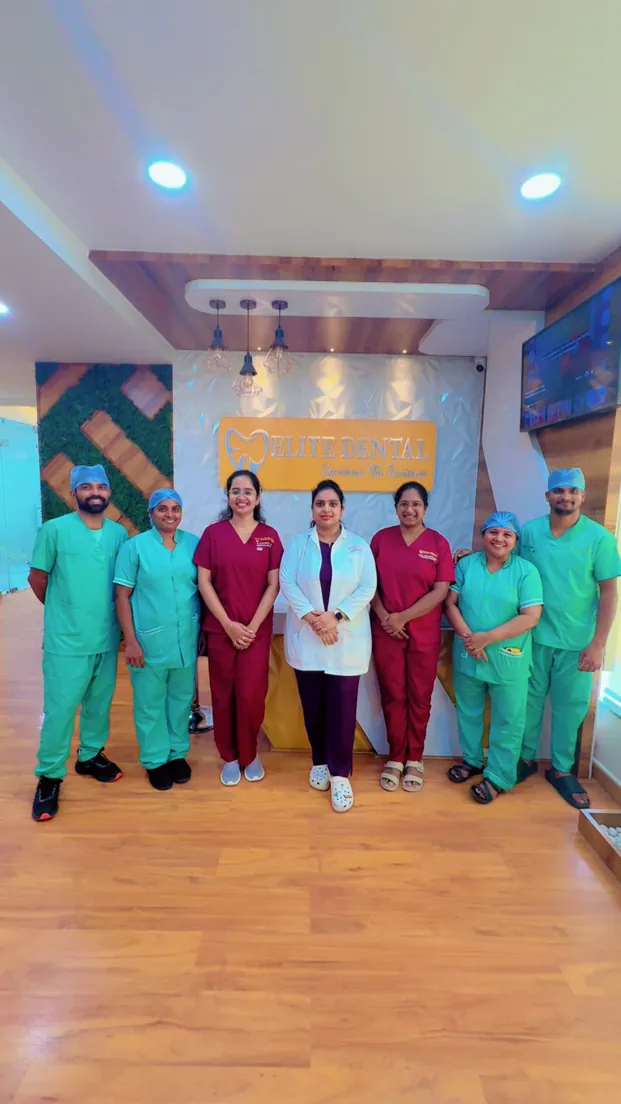
Saving the tooth first, oral surgeons on the team and a plan for the gap are what this clinic stands behind.
10 Reviews
Patient reviews of Elite Dental Clinic in Kondapur
Recent patient reviews of Elite Dental Clinic
“The treatment was smooth and the dentist was very cooperative and did the procedure smoothly”
“Had a good experience at this dental clinic. The staff was friendly and helpful, and the dentist explained the treatment clearly. The clinic was clean and the overall experience was comfortable. Would recommend this clinic for dental care.”
11 Visit us
Dentist in Kondapur, Hyderabad: location, hours and access
Elite Dental Clinic
2nd floor, Artham's Arcade, above Vijaya Diagnostics
Kondapur, Raghavendra Colony, Gachibowli
Hyderabad, Telangana 500084
070320 78789
Kondapur, Raghavendra Colony, Gachibowli
Hyderabad, Telangana 500084
070320 78789
| Monday to Sunday | 9:00 am to 9:00 pm |
|---|
The clinic is on the second floor of Artham's Arcade, above Vijaya Diagnostics, in Raghavendra Colony.
Patients looking for tooth removal in Kondapur will find the clinic above Vijaya Diagnostics in Artham's Arcade, Raghavendra Colony. Languages spoken: English, Telugu and Hindi. More about the clinic: dentist in Kondapur.
The clinic is on the second floor above Vijaya Diagnostics and is open every day from 9:00 am to 9:00 pm.
12 Travelling patients
Tooth extraction in Hyderabad for patients from other cities and countries
A simple extraction is quick, but recovery takes days. If you live outside Hyderabad, or abroad, connect with the clinic on WhatsApp or by phone before you travel, and the team will help you plan your visit. Send a photo of your X-ray if you have one.
Plan the removal early in your stay, and keep a day or two for recovery and a review visit. Most people return to routine activity the next day, and the review checks healing and removes stitches.1
If the tooth is to be replaced, ask the dentist which parts of the plan can wait until you are home. Ask for your X-rays and a note of what was done before you leave. The clinic is open every day from 9:00 am to 9:00 pm, and the team speaks English, Hindi and Telugu.
Plan the removal early, and keep a spare day for the review.
13 Questions
Tooth extraction questions from patients in Kondapur
Does tooth extraction hurt?
The area is numbed with local anaesthetic, so you should feel pressure and movement but not sharp pain. Pain and swelling are expected afterwards and usually start to improve after 1 or 2 days. Take only the medicines the dentist prescribes.
How long does it take to recover?
Most people go back to routine activity the day after, and a more difficult removal may need 1 to 3 days off work. Pain and swelling settle over about two weeks, and the gum closes over the socket. The bone takes longer to fill in.
What is dry socket?
Dry socket happens when the blood clot does not form in the socket or is lost, usually 3 to 5 days after removal. It causes a throbbing pain in the jaw. It is more likely if you smoke, have had it before, are over 25 or the removal was difficult. Call the clinic if you suspect it.
Do I have to replace an extracted tooth?
It is advised in most cases. A gap lets the neighbouring teeth tilt and the opposite tooth drift, and it changes how you chew. The options are a bridge, dentures or an implant, and the dentist plans the choice with you before the tooth comes out.
What is the difference between simple and surgical extraction?
A simple extraction removes a tooth that is visible in the mouth and has straight roots. A surgical extraction is for a tooth that is broken, buried or curved, where the gum is opened and the tooth may be removed in pieces. The X-ray decides which one you need.
Can I eat after a tooth extraction?
Yes, but wait until the numbness has gone, and eat soft, cool food for the first day or two. Avoid hot drinks, spitting hard and drinking through a straw, and chew on the other side. Return to firmer food slowly.
How is the cost of a tooth extraction decided?
Treatment is planned for one person, so the cost is given after the evaluation. The type of removal, the tooth, the anaesthetic and any infection to treat first all change the plan. You receive a written plan before treatment starts.
When should I call the clinic after extraction?
Call the same day for bleeding that does not stop with firm pressure, severe pain that painkillers do not help, a fever, a bad taste or discharge, or numbness that does not improve. If swelling spreads to your face or neck, or you cannot breathe or swallow well, go to a hospital emergency department.
14 Second opinion
Want a second opinion on your tooth extraction plan?
If you have been told a tooth must come out, bring your X-rays to your evaluation. The dentist will go through them with you and tell you whether the tooth can be saved. Call or send a WhatsApp message to book your visit. The evaluation is the first step, and you are under no obligation to go ahead with treatment.
15 Related
Treatments often considered alongside tooth extraction
Surgical tooth extraction
The method used for a tooth that is broken, buried or curved.
Dental implants
The usual way to replace an extracted tooth without shaping the teeth beside it.
Dental bridges
A fixed way to fill the gap using the teeth on either side.
Sources
- Wisdom tooth removal (how extraction is done), NHS
- Wisdom teeth (when removal is advised), American Dental Association, MouthHealthy
- Wisdom tooth removal: complications (dry socket and nerve injury), NHS
- Bridges, American Dental Association, MouthHealthy
This page is general information, not a diagnosis or a substitute for an examination, and results vary between patients.