


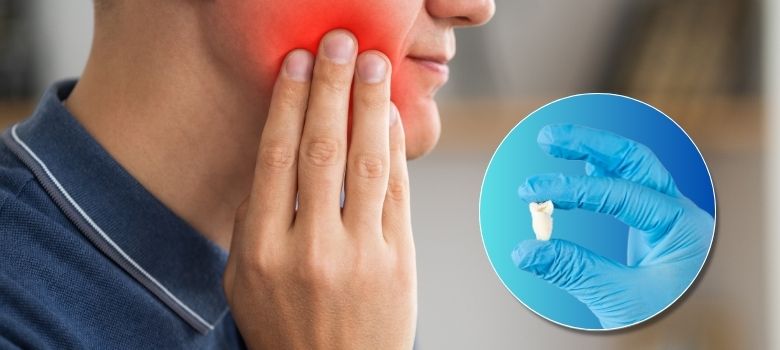
Wisdom teeth, or third molars, are the last set of molars at the back of your mouth. They typically emerge in late adolescence or early adulthood. While some people have no issues with their wisdom teeth, many experience complications that necessitate the removal of wisdom teeth.
It’s becoming increasingly common to have these teeth extracted for various reasons.
Understanding the signs can help you take timely action and avoid more serious dental issues.
Pain and Discomfort
One of the most common signs that your wisdom teeth might need removal is continuous pain or extreme discomfort in the back of your mouth. This pain can be caused by various factors, including the teeth coming in at an angle or causing pressure on neighboring teeth. If you experience throbbing pain or tenderness that doesn’t seem to disappear easily, it might be the time to consult your dentist. They can evaluate if the pain is due to your coming wisdom teeth and recommend appropriate treatment.
Swelling and Infection
Swelling in the gums or face paired with infection can indicate that your wisdom teeth need attention. When wisdom teeth do not have enough space to occur properly, they can lead to infections in the surrounding gum tissue. This condition, known as pericoronitis, can cause swelling, redness, and pus in the affected area. If you notice these symptoms, taking dental care promptly is important. If an infection is left untreated, it can lead to severe complications.
Crowding of Nearby Teeth
Sometimes overcrowding can be caused by the wisdom teeth pushing the adjacent teeth. This pressure can misalign your straight teeth or undo previous orthodontic work. If you notice that your teeth are becoming crooked or misaligned, your wisdom teeth might be contributing to this issue. In such cases, removing the wisdom teeth can help prevent further crowding and preserve your smile.
Cysts or Tumors
Wisdom teeth can develop cysts or tumors in the jawbone in some cases. These growths can cause damage to the surrounding bone and other teeth. While rare, these conditions can be serious and require immediate attention. Visiting your dentist regularly can help detect these issues early. If a cyst or tumor is found, removal of the wisdom teeth and possibly additional treatment may be necessary.
Difficulty in Cleaning
Wisdom teeth are located at the far back of your mouth, making them difficult to clean properly. If these teeth are partially erupted or misaligned, it can be challenging to maintain good oral hygiene. Food particles and plaque can accumulate around these teeth, increasing the risk of tooth decay and gum disease. If you find it difficult to clean your wisdom teeth and are experiencing oral health issues as a result, removal might be the best solution.
Gum Disease
Gum disease, also known as periodontal disease, can affect the tissues surrounding your teeth. Wisdom teeth not fully erupted or positioned incorrectly can lead to severe gum disease. Symptoms such as bleeding gums, persistent bad breath, and gum issues may indicate that your wisdom teeth are causing problems. Addressing these issues early, which might include wisdom tooth removal, can help prevent an increase in gum disease.
Jaw Stiffness or Difficulty Opening Mouth
If you experience stiffness or discomfort in your jaw, it could be related to your wisdom teeth, especially when opening your mouth wide. Impacted wisdom teeth can exert pressure on the jawbone and surrounding tissues, leading to pain and limited jaw movement. If these symptoms persist, consult a dental professional to determine if your wisdom teeth are the cause and if removal is needed.
Consulting a Professional
If you notice any of the signs mentioned above, it’s very important to consult a dentist. They can perform a thorough examination, including X-rays, to assess the position of your wisdom teeth and suggest the best solution possible. Early removal of wisdom teeth can sometimes prevent more significant problems.
For wisdom tooth removal in Kondapur, visit Elite Dental Clinic. We offer professional dental services to address your concerns effectively. Seeking timely care can help alleviate pain, prevent complications, and maintain oral health.
Conclusion
Wisdom teeth removal is a common procedure many people undergo to avoid dental issues. By identifying the signs that you might need your wisdom teeth removed, you can take proactive steps to ensure your oral health is good. If you experience any symptoms or have concerns about your wisdom teeth, don’t hesitate to seek our advice.