


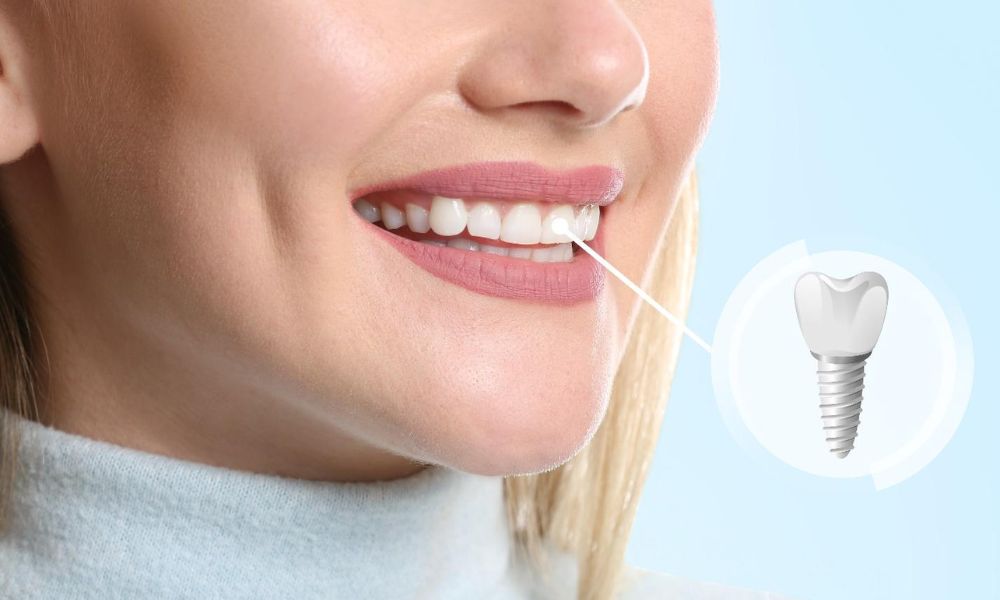
Dental implants have completely changed how we replace missing teeth. In contrast to more conventional solutions like bridges or dentures, implants provide a long-lasting, permanent treatment that closely resembles real teeth’ appearance, texture, and functionality. While more expensive upfront, dental implants are a worthwhile investment for those seeking to restore their smile and oral health. In this blog, we will discuss the definition of dental implants, their benefits, and the reasons they are financially worthwhile.
What Are Dental Implants?
To support replacement teeth, dental implants—which are artificial tooth roots, usually composed of titanium—are surgically inserted into the mandible (lower jaw). For crowns that are either set or removable and designed to resemble your natural teeth, the implant provides a solid base.
Dental implant components include:
- Implant post: This titanium post is inserted into the jawbone.
- Abutment: Joins the replacement tooth to the implant post.
- Crown: The visible portion of the implant that resembles a real tooth.
In addition to replacing lost teeth, dental implants strengthen bones and stop the degradation that usually occurs after tooth loss.
Benefits of Dental Implants
- Durability: Dental implants offer a long-lasting solution to missing teeth, often lasting decades with proper care.
- Functionality: Replacing missing teeth also restores full chewing ability which works similarly to natural teeth.
- Aesthetic appeal: Dental implants provide a natural-looking replacement for missing teeth that blends with the remaining natural teeth without being too obvious that you have some kind of dental prosthetic.
- Bone preservation: Implant roots inserted into the jawbone stimulate the bone and prevent bone deterioration.
- Improved oral hygiene: Dental implants make it easier to maintain oral hygiene as compared to bridges or dentures, reducing the risk of oral infections.
Why Are Dental Implants Worth the Investment?
Dental implants may initially seem more expensive than alternative solutions, but their long-term benefits greatly exceed this dental implant cost concern.
- Cost-effectiveness: Implants are a one-time investment that can last for decades, saving money over time, unlike dentures or bridges that may need to be replaced or adjusted frequently.
- Improved quality of life: Implants fix your bright smile and allow you to laugh, talk, and eat without fear. They eliminate discomfort since, in contrast to dentures, they remain securely in place.
- Low maintenance: Brushing, flossing, and routine dental exams are all necessary for dental implants, just like natural teeth.
- Prevent future dental problems: By maintaining the density of the jawbone and stopping the surrounding teeth from moving, implants can prevent more dental diseases and lower the need for expensive future treatments.
Who Is a Good Candidate for Dental Implants?
Although dental implants are not suitable for everyone, many patients can gain from this durable solution:
- Sufficient bone density: A strong bone base is necessary for implants. In certain situations, bone grafting might be required to guarantee adequate support.
- Gum health: Following implant placement, good gum health is crucial to avoiding issues like infection.
- Oral hygiene commitment: Just like your natural teeth, dental implants require frequent dental checkups, appropriate brushing, and flossing.
- General health: Before having surgery, a patient must be in generally good health. It is important to talk to your dentist about your medical history because chronic illnesses like uncontrolled diabetes might interfere with recovery.
Comparing Dental Implants to Other Tooth Replacement Options
To understand why dental implants are great, let’s contrast dental implants with other popular tooth replacement techniques to see why they are thought to be better:
Dental Bridges
- To get a dental bridge, adjacent healthy teeth must be prepared by grounding so they can act as anchors for the bridge.
- They usually need to be replaced after 5–10 years.
- Bridges do not stop jaw bone loss like implants do.
Dentures
- Dentures are detachable and may occasionally shift or slip while chewing or speaking, which can be uncomfortable.
- Because the jawbone varies over time, they need to be adjusted or replaced frequently.
- Over time, bone loss results from dentures’ failure to stimulate the jawbone.
Dental Implants
- Implants feel and work like real teeth and are cemented in place.
- They stop bone loss and maintain the integrity of neighboring teeth.
- Despite their initial higher cost, they provide long-term stability and do away with the need for regular replacements.
Dental implants offer a long-lasting, aesthetically pleasing, and functionally advantageous alternative to missing teeth. For people who want to retain their dental health, implants are worth the expenditure because they can restore your mouth’s full functionality and preserve the health of your jawbone. Dental implants are an affordable and very advantageous way to replace lost teeth since, with the right maintenance, they can last a lifetime. Dental implants might be the best option if you’re considering replacing your teeth.