


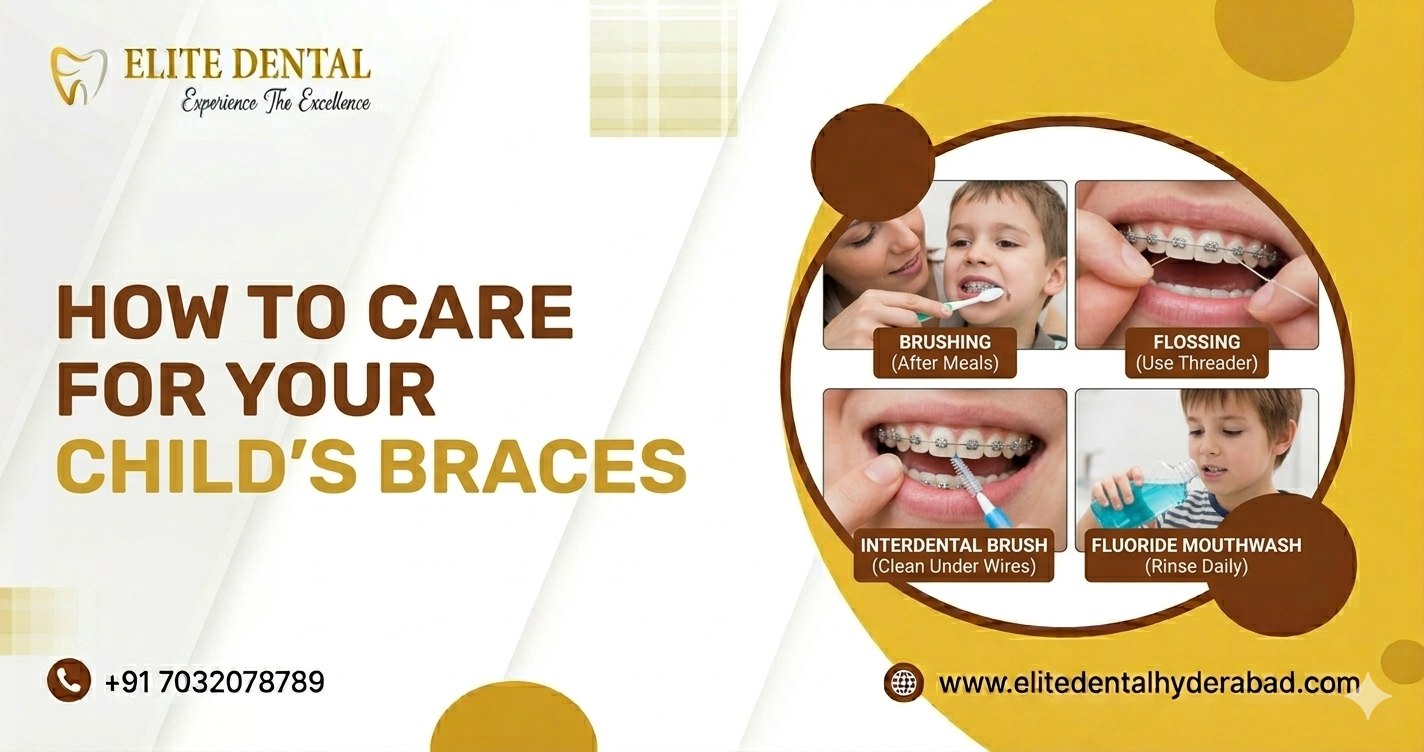
When your child gets braces, it marks an important step toward a healthy, confident smile. But along with the excitement comes responsibility. Proper care is essential—not just for maintaining the braces, but also for ensuring your child’s oral health stays on track.
If you’re navigating orthodontics for kids for the first time, don’t worry. This guide breaks everything down into a simple, practical routine you can follow every day. From brushing techniques to food choices and emergency tips, you’ll find everything you need right here.
Why Proper Braces Care Matters
Braces are delicate dental appliances designed to gradually move teeth into the right position. Without proper care, several issues can arise:
-
Tooth decay and cavities
-
Gum inflammation or infections
-
Staining or white spots on teeth
-
Broken brackets or wires
-
Delays in treatment progress
Children may not always understand the long-term consequences, so parental guidance is key. A consistent routine helps avoid complications and ensures the treatment finishes on time.
Daily Braces Care Routine for Kids
Creating a structured daily routine is the easiest way to ensure your child maintains proper hygiene.
1. Brushing Teeth Properly (At Least Twice a Day)
Brushing with braces is more detailed than regular brushing. Food particles and plaque can easily get trapped around brackets and wires.
Here’s how your child should brush:
-
Use a soft-bristled toothbrush or an orthodontic brush
-
Hold the brush at a 45-degree angle toward the gumline
-
Brush above and below the brackets carefully
-
Clean each tooth individually
-
Spend at least 2–3 minutes brushing
Helpful tip:
Electric toothbrushes can be especially effective for kids because they clean more thoroughly with less effort.
2. Flossing Every Day (Even If It’s Tricky)
Flossing with braces can be challenging, but it’s crucial for removing plaque between teeth.
Make it easier with:
-
Floss threaders
-
Orthodontic floss
-
Water flossers (a great option for kids)
Step-by-step approach:
-
Thread floss under the wire
-
Gently slide it between teeth
-
Move it up and down along each tooth
Consistency is more important than perfection. Even partial flossing daily is better than skipping it.
3. Rinsing with Mouthwash
A fluoride mouthwash adds an extra layer of protection.
Benefits include:
-
Strengthens enamel
-
Reduces plaque buildup
-
Keeps breath fresh
Encourage your child to rinse once daily, preferably at night.
Foods to Avoid with Braces
Foods That Are Safe and Braces-Friendly
-
Soft fruits (bananas, berries)
-
Cooked vegetables
-
Pasta, rice, and soft bread
-
Dairy products like yogurt and cheese
-
Smoothies and soups
Pro tip: Cut fruits like apples into small pieces instead of biting directly.
Managing Pain and Discomfort
It’s normal for kids to feel some discomfort, especially after adjustments.
Common Causes of Pain
-
Tightened wires
-
New brackets
-
Teeth shifting
How Parents Can Help
-
Give soft foods during the first few days
-
Use orthodontic wax on irritating brackets
-
Offer cold foods like ice cream or chilled smoothies
-
Use doctor-recommended pain relief if needed
Reassure your child that the discomfort is temporary and part of the process.
Protecting Braces During Activities
Active kids need extra care to avoid damaging their braces.
Sports Safety Tips
-
Always use a mouthguard during sports
-
Avoid rough play without protection
-
Inform coaches about braces
Mouthguards designed for braces provide cushioning and reduce injury risks.
Regular Orthodontist Visits Are Essential
Routine check-ups ensure everything is progressing correctly.
What Happens During Visits
-
Adjustment of wires
-
Checking alignment progress
-
Fixing loose brackets
-
Cleaning advice
Missing appointments can delay treatment and lead to complications.
Teaching Kids Responsibility
Children are more likely to follow routines when they understand why it matters.
Ways to Encourage Good Habits
-
Use reward systems (stickers, small prizes)
-
Create a daily checklist
-
Brush together as a family
-
Set reminders or alarms
Make braces care feel like a normal part of their daily life—not a burden.
Common Braces Problems and Quick Fixes
Even with proper care, minor issues can happen.
Loose Bracket
-
Don’t panic
-
Keep it in place if possible
-
Visit the orthodontist soon
Poking Wire
-
Use orthodontic wax to cover it
-
Try gently pushing it with a clean eraser
-
Contact your orthodontist if discomfort continues
Food Stuck in Braces
-
Use interdental brushes
-
Rinse with water
-
Avoid using sharp objects
Nighttime Braces Care Routine
Nighttime care is especially important because bacteria can grow overnight.
Ideal Night Routine
-
Brush thoroughly before bed
-
Floss carefully
-
Use mouthwash
-
Check for any trapped food
This routine helps prevent cavities and keeps braces clean.
Long-Term Benefits of Proper Braces Care
Taking care of braces isn’t just about avoiding problems—it’s about achieving the best results.
Benefits Include
-
Faster treatment completion
-
Healthier gums and teeth
-
Better alignment results
-
A confident, beautiful smile
Children who follow good habits during treatment often maintain better oral hygiene even after braces are removed.
Final Thoughts: Make Braces Care Simple and Consistent
Caring for your child’s braces doesn’t have to be complicated. With a structured routine, the right tools, and a little patience, you can make the process smooth and stress-free.
Remember, orthodontics for kids is a team effort—parents, children, and orthodontists all play a role. By building good habits early, you’re setting your child up for a lifetime of healthy smiles.
FAQs
1. At what age should a child get braces?
Most children begin orthodontic treatment between the ages of 9 and 14, when their permanent teeth have come in and their jaw is still developing. However, early evaluation is recommended.
Experts like the American Association of Orthodontists suggest that children should have their first orthodontic check-up by age 7. At this stage, dentists can identify potential alignment issues early, even if braces aren’t needed right away.
Early intervention can:
-
Prevent more serious problems later
-
Reduce treatment time in the future
-
Guide proper jaw development
2. How long do kids usually need to wear braces?
The duration of treatment varies depending on the complexity of the case.
On average:
-
Mild cases: 6–12 months
-
Moderate cases: 12–24 months
-
Complex cases: 2+ years
Factors that affect treatment time include:
-
Severity of misalignment
-
Consistency in oral hygiene
-
Following orthodontist instructions
-
Avoiding damage to braces
Good habits can significantly shorten the overall treatment time.
3. How can I help my child remember their braces routine?
Consistency is one of the biggest challenges in orthodontics for kids, especially for younger children.
Here are practical ways to help:
-
Create a daily routine chart and place it in the bathroom
-
Set reminders or alarms on a phone or smartwatch
-
Use a reward system for consistent care
-
Supervise brushing and flossing until it becomes a habit
Turning the routine into a fun and engaging activity often works better than strict instructions.
4. Are braces painful for children?
Braces are not usually painful, but they can cause temporary discomfort, especially:
-
After the initial placement
-
After tightening or adjustments
-
When new wires are added
This discomfort typically lasts for a few days.
Ways to ease pain:
-
Soft foods like yogurt, mashed potatoes, or soups
-
Cold items like smoothies or ice cream
-
Orthodontic wax for irritation
-
Mild pain relievers if recommended by a dentist
Reassure your child that the discomfort is normal and temporary.
5. Can my child still play sports with braces?
Yes, children can absolutely continue playing sports while wearing braces.
However, protection is essential.
Safety tips:
-
Use a mouthguard designed for braces
-
Avoid direct impact sports without protection
-
Inform coaches about your child’s braces
A proper mouthguard helps prevent injuries to the lips, teeth, and braces.